
Skincare has become one of the most talked-about parts of self-care in recent years. From social media influencers showing off complicated 10-step routines to shelves filled with expensive products, starting skincare as a beginner can feel confusing and overwhelming. The truth is, good skincare doesn’t need to be complicated. You don’t need dozens of products or a huge budget to achieve healthy skin. What matters most is understanding your skin and building simple habits you can follow consistently.
Your skin is the largest organ in your body, and it works hard every single day. It protects you from dirt, pollution, bacteria, and harmful UV rays. Because your skin goes through so much daily stress, taking care of it is important not only for appearance but also for overall health. A proper skincare routine can help prevent acne, dryness, irritation, and early signs of aging while keeping your skin clean, balanced, and healthy.
If you are completely new to skincare, this guide will walk you through everything you need to know. From understanding your skin type to choosing the right products and building a routine, this beginner-friendly guide will help you start your skincare journey the right way.
Why Skincare Is Important
Many people think skincare is only about looking good, but it goes much deeper than that. Healthy skin acts as a protective barrier between your body and the outside world. When your skin is not properly cared for, it can become dry, damaged, oily, or sensitive.
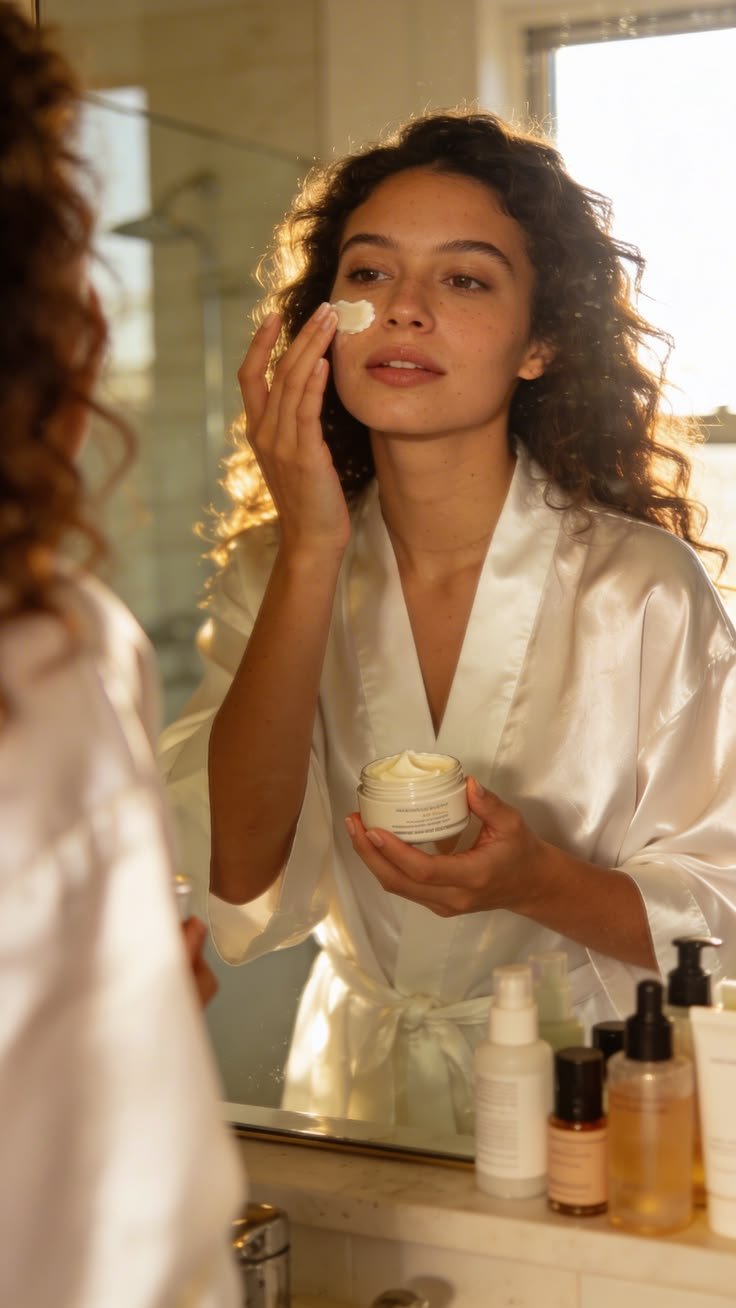
A good skincare routine helps:
- Remove dirt, sweat, and excess oil
- Prevent clogged pores and acne
- Keep the skin hydrated
- Protect against sun damage
- Improve skin texture and appearance
- Boost confidence and self-esteem
Even if you don’t struggle with acne or major skin problems, taking care of your skin now can help prevent issues later in life. The earlier you develop healthy skincare habits, the better your skin will look and feel in the future.
Step 1: Understand Your Skin Type
Before buying any skincare products, the first thing you need to do is understand your skin type. Different skin types have different needs, and using the wrong products can make problems worse instead of better.
Here are the four main skin types:
1. Oily Skin
If your face becomes shiny quickly, especially around your forehead, nose, and chin, you probably have oily skin. Oily skin produces excess sebum, which can lead to clogged pores and acne breakouts.

Signs of oily skin:
- Greasy or shiny appearance
- Frequent pimples or blackheads
- Enlarged pores
- Makeup or sunscreen slides off easily
People with oily skin should look for lightweight, oil-free products.
2. Dry Skin
Dry skin lacks moisture and often feels tight or rough. It may become flaky, especially during cold weather.
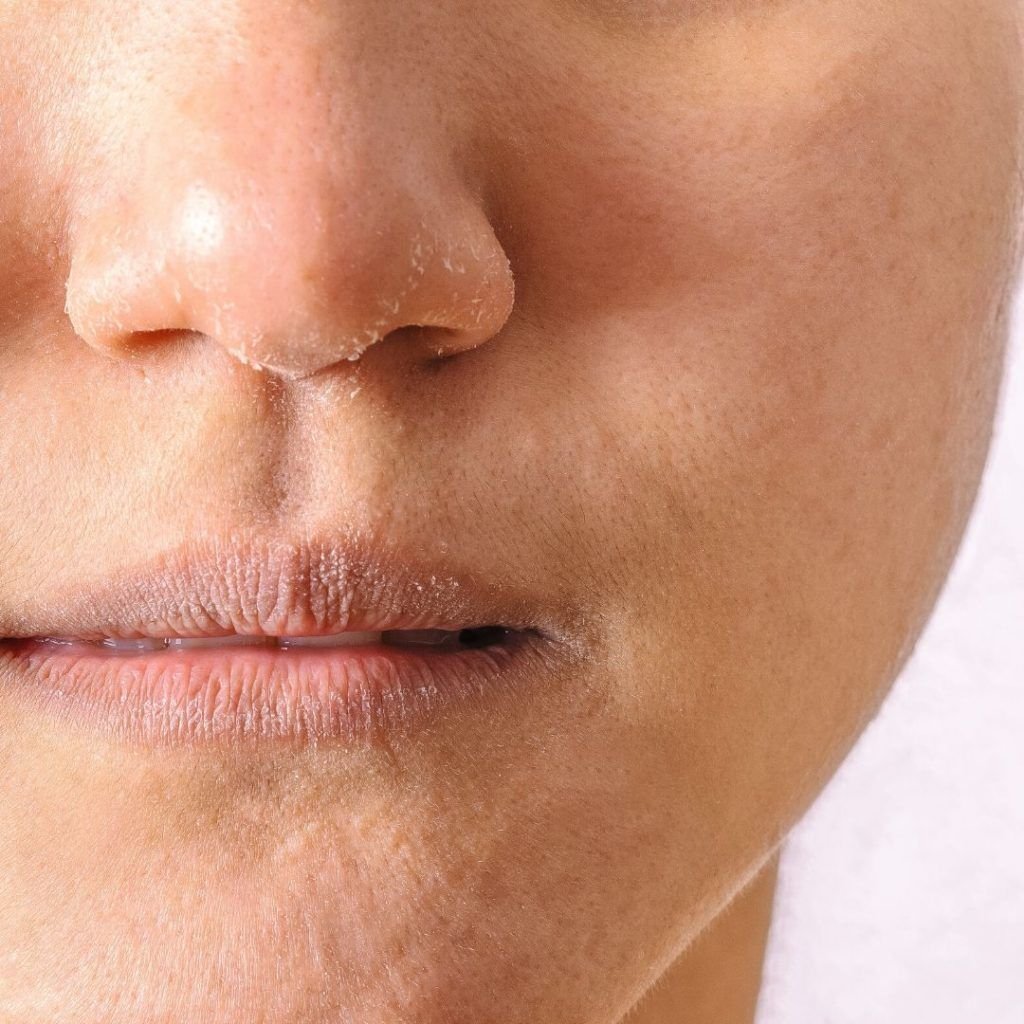
Signs of dry skin:
- Rough texture
- Flaking or peeling
- Tightness after washing
- Dull appearance
Dry skin benefits from rich moisturizers and hydrating products.
3. Combination Skin
Combination skin is a mix of oily and dry areas. Usually, the T-zone (forehead, nose, and chin) is oily while the cheeks remain dry or normal.
Signs of combination skin:
- Oily forehead and nose
- Dry cheeks
- Occasional breakouts
This is one of the most common skin types.
4. Sensitive Skin
Sensitive skin reacts easily to certain products or environmental factors. It may become red, itchy, or irritated quickly.
Signs of sensitive skin:
- Burning or stinging sensation
- Redness
- Reactions to skincare products
- Easily irritated skin
Sensitive skin requires gentle, fragrance-free products.
Step 2: Learn the Basics of a Skincare Routine
A beginner skincare routine only needs three basic products:
- Cleanser
- Moisturizer
- Sunscreen
These three steps form the foundation of healthy skin. Once you become comfortable with them, you can slowly add other products if needed.
Step 3: Cleansing Your Skin Properly
Cleansing is the first and most important step in skincare. Throughout the day, dirt, sweat, oil, pollution, and bacteria build up on your skin. A cleanser helps remove these impurities and keeps your pores clean.
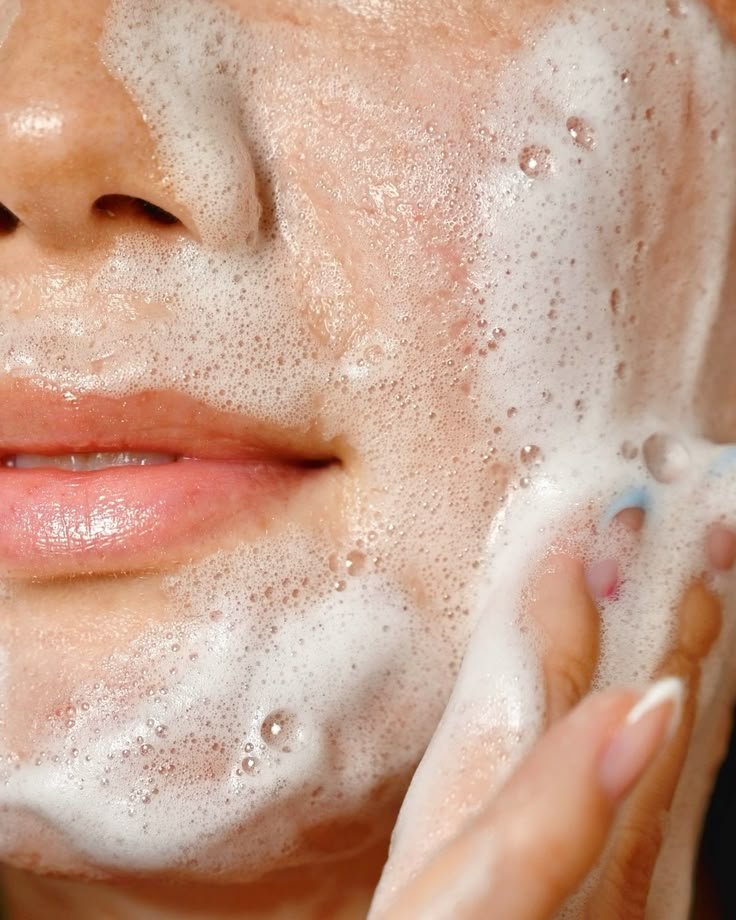
How Often Should You Cleanse?
Wash your face:
- Once in the morning
- Once before bed
Overwashing can strip away natural oils and damage your skin barrier.
Choosing the Right Cleanser
For oily skin:
Choose gel or foaming cleansers that help control excess oil.
For dry skin:
Use cream or hydrating cleansers that won’t dry out your skin.
For sensitive skin:
Choose fragrance-free and gentle cleansers.
Cleansing Tips
- Use lukewarm water, not hot water
- Massage gently for 30–60 seconds
- Pat your face dry with a clean towel
- Avoid harsh scrubbing
A clean face helps the rest of your skincare products work better.
Step 4: Moisturizing Your Skin
Many beginners skip moisturizer because they think it makes the skin oily. In reality, moisturizer is essential for every skin type.
Moisturizers help:
- Hydrate the skin
- Prevent dryness
- Strengthen the skin barrier
- Keep skin smooth and soft
When your skin lacks moisture, it may actually produce more oil to compensate. That’s why oily skin still needs hydration.

Choosing the Right Moisturizer
Oily skin:
Use lightweight, oil-free, or gel-based moisturizers.
Dry skin:
Use thicker cream-based moisturizers with hydrating ingredients.
Sensitive skin:
Choose fragrance-free moisturizers with soothing ingredients.
How to Apply Moisturizer
Apply moisturizer:
- After washing your face
- While the skin is slightly damp
- Twice daily
A small amount is usually enough.
Step 5: Never Skip Sunscreen
If there is one skincare product everyone should use daily, it is sunscreen. Many people only wear sunscreen at the beach, but UV rays affect your skin every single day.
Sun exposure can cause:
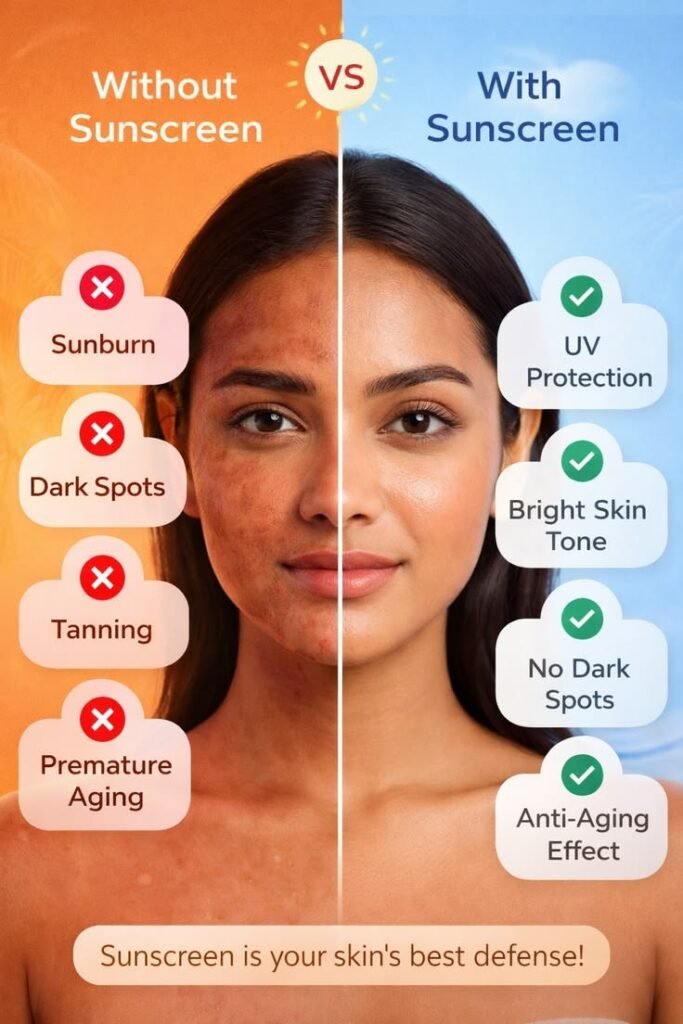
- Sunburn
- Dark spots
- Uneven skin tone
- Premature aging
- Skin damage
Using sunscreen daily protects your skin and helps maintain an even complexion.
Choosing a Sunscreen
Look for:
- SPF 30 or higher
- Broad-spectrum protection
- Lightweight formulas for oily skin
How to Apply Sunscreen
Apply sunscreen:
- Every morning
- 15–20 minutes before sun exposure
- As the final step in your morning routine
Reapply if you spend long hours outdoors.
Step 6: Build a Simple Morning Routine
A beginner morning skincare routine should be quick and easy.
Morning Routine:
1. Cleanser
Wash away sweat and oil from overnight.
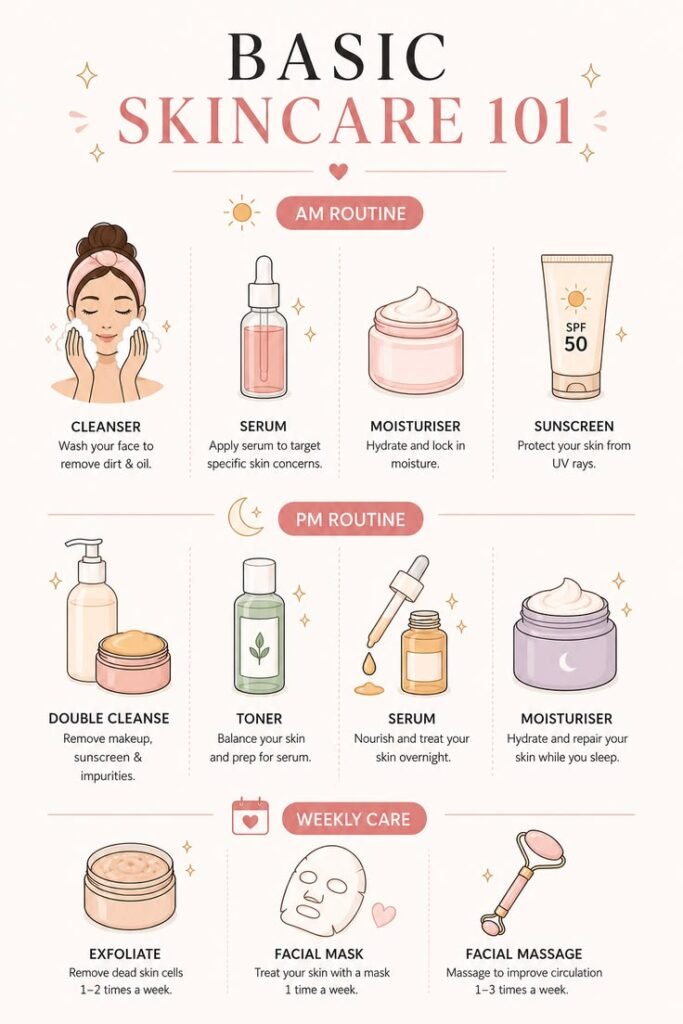
2. Moisturizer
Hydrate and protect your skin barrier.
3. Sunscreen
Protect your skin from UV damage.
This routine only takes a few minutes but makes a huge difference over time.
Step 7: Build a Simple Night Routine
Nighttime is when your skin repairs itself. Your evening routine helps remove dirt and oil collected during the day.
Night Routine:
1. Cleanser
Remove dirt, sweat, sunscreen, and pollution.
2. Moisturizer
Restore hydration while you sleep.
That’s all you need as a beginner.
Step 8: Adding Extra Products Later
Once you become consistent with the basics, you can slowly introduce other skincare products depending on your needs.
Serum
Serums target specific skin concerns like acne, dark spots, or dryness.
Exfoliator
Exfoliation removes dead skin cells and improves texture.
However, exfoliating too often can irritate the skin. Beginners should exfoliate only 1–2 times per week.
Acne Treatments
Ingredients like salicylic acid or benzoyl peroxide can help with breakouts.
Always introduce new products slowly to avoid irritation.
Lifestyle Habits That Improve Your Skin
Skincare products are important, but your lifestyle also affects your skin health.
Drink Enough Water
Hydration helps your skin stay healthy and fresh.

Eat a Balanced Diet
Fruits, vegetables, protein, and healthy fats provide nutrients that support healthy skin.

Get Enough Sleep
Lack of sleep can lead to dull skin, dark circles, and breakouts.
Aim for 7–8 hours of sleep every night.

Exercise Regularly
Exercise improves blood circulation and supports healthy skin.
Just remember to wash your face after sweating.

Change Pillowcases Regularly
Dirty pillowcases can collect oil and bacteria, leading to breakouts.

How Long Does It Take to See Results?
One of the most important things to understand about skincare is that results take time.
Most people notice improvements within:
- 2–4 weeks for hydration
- 6–8 weeks for acne improvement
- Several months for dark spots or texture changes
Don’t give up too quickly. Healthy skin is built through consistent habits.
Skincare on a Budget
Good skincare doesn’t need to be expensive. Many affordable products work just as well as luxury brands.
As a beginner, focus on:
- A gentle cleanser
- A basic moisturizer
- A reliable sunscreen
You do not need expensive serums or trendy products to have healthy skin.
Final Thoughts
Starting a skincare routine may seem overwhelming at first, but it becomes simple once you understand the basics. The key is consistency, patience, and choosing products that suit your skin type.
You don’t need a complicated 10-step routine to achieve healthy skin. A simple routine with cleanser, moisturizer, and sunscreen is more than enough for beginners. Once you build these habits, you can slowly explore other products based on your skin concerns.
Remember that everyone’s skin is different. What works for someone else may not work for you, and that’s completely normal. Listen to your skin, avoid harsh products, and focus on long-term care rather than quick fixes.
Healthy skin is not about perfection — it’s about taking care of yourself every day. With patience and consistency, your skin will thank you in the long run.
FAQs – The Ultimate Beginner’s Guide to Building a Skincare Routine
1. How long does it take to see results from a skincare routine?
Most people start noticing small improvements within 2–4 weeks, but bigger changes like reduced acne or smoother skin may take 6–8 weeks or longer. Consistency is the key to getting results.
2. Do I really need sunscreen every day?
Yes. Sunscreen protects your skin from harmful UV rays that can cause sun damage, dark spots, premature aging, and uneven skin tone. Even on cloudy days or indoors near windows, sunscreen is important.
3. Can boys use the same skincare products as girls?
Absolutely. Skincare products are based on skin type and concerns, not gender. Boys and girls can use the same cleanser, moisturizer, or sunscreen if it suits their skin.
4. What is the best skincare routine for beginners?
A simple beginner routine includes:
- Cleanser
- Moisturizer
- Sunscreen (morning only)
This basic routine is enough to keep your skin healthy and balanced.
5. Is it bad to wash your face too many times a day?
Yes. Overwashing can remove your skin’s natural oils and lead to dryness, irritation, or even more oil production. Washing your face twice a day is usually enough.