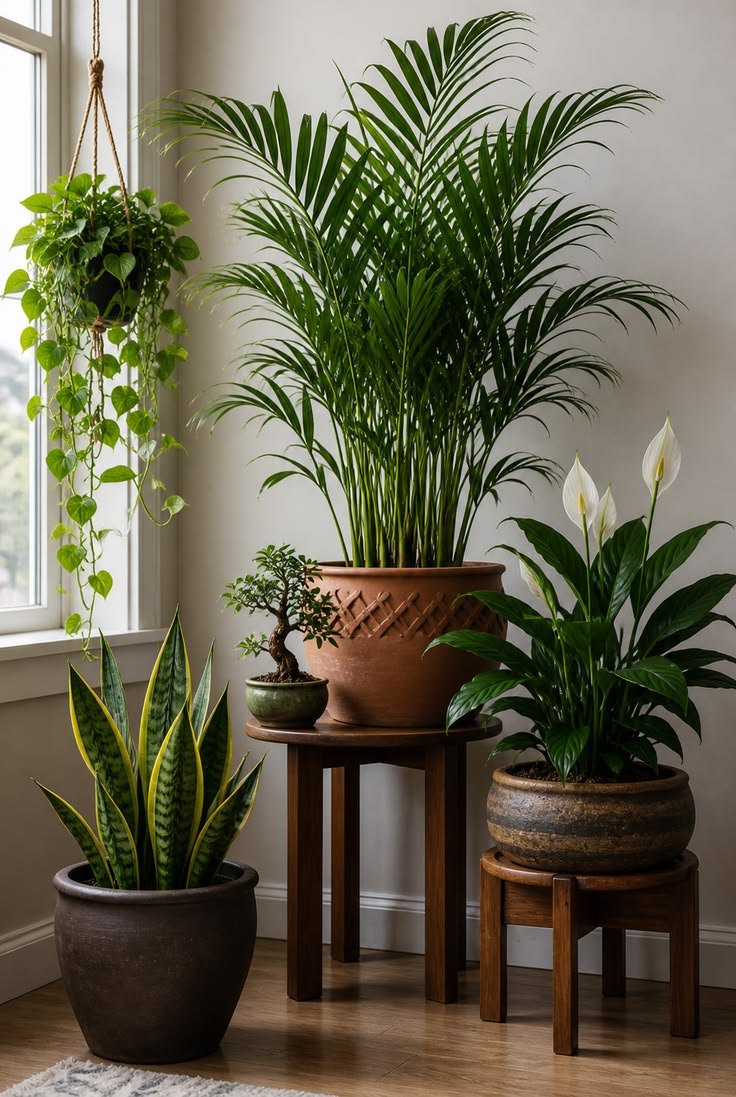
Indoor plants do more than just beautify your home, they can also improve air quality and increase oxygen levels. In today’s fast-paced urban lifestyle, people spend most of their time indoors, whether at home, school, or work. Unfortunately, indoor air can often contain pollutants from furniture, paints, electronics, and cleaning products. This is where oxygen-producing indoor plants become incredibly valuable.
Adding indoor plants to your space creates a healthier and more refreshing environment. Certain plants are especially known for releasing oxygen, absorbing toxins, and improving overall air purity. They can also reduce stress, boost mood, and create a calm atmosphere.
In this blog, we’ll explore the best indoor plants for oxygen and why they deserve a place in your home.
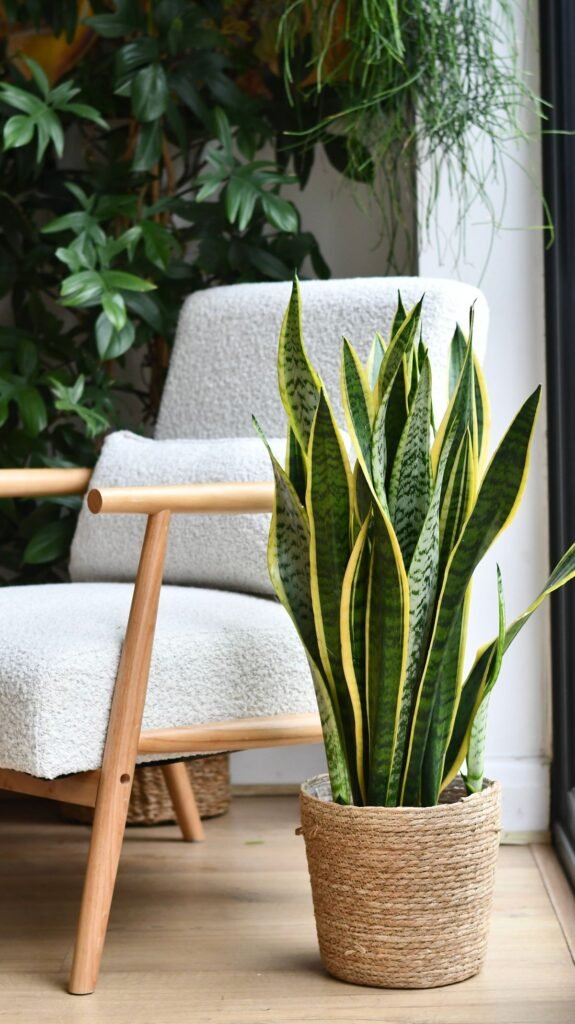
1. Snake Plant (Sansevieria)
The Snake Plant is one of the most recommended indoor plants for improving oxygen levels. It is unique because it releases oxygen even at night, making it perfect for bedrooms.
Benefits:
- Converts carbon dioxide into oxygen during nighttime
- Removes harmful toxins like formaldehyde and benzene
- Requires very little maintenance
- Survives in low light conditions
Care Tips:
- Water only when the soil is dry
- Keep in indirect sunlight
- Avoid overwatering
The Snake Plant is ideal for beginners because it is hardy, attractive, and nearly impossible to kill.
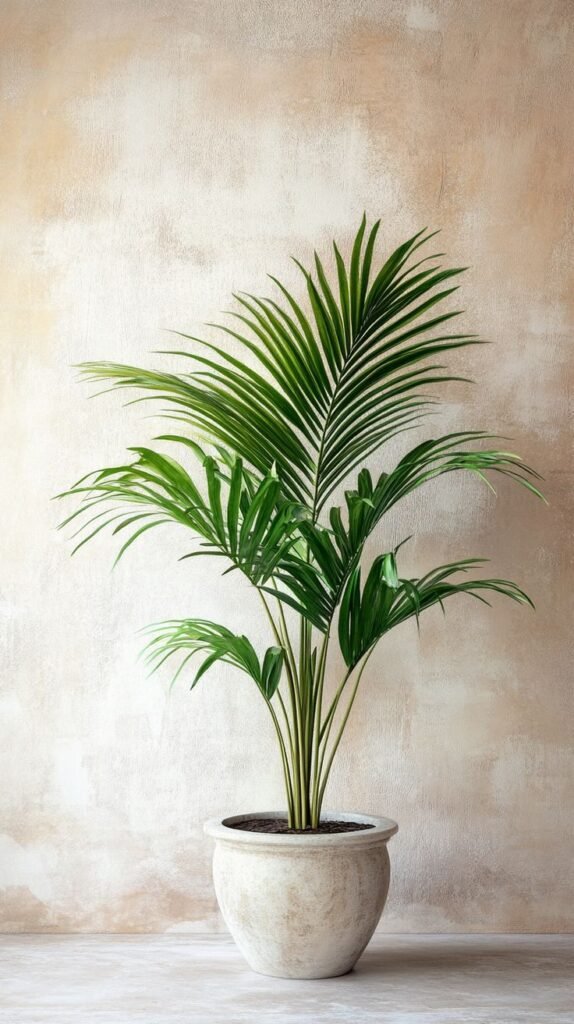
2. Areca Palm
The Areca Palm is a beautiful indoor plant known for its excellent air-purifying abilities. Its lush green leaves bring a tropical feel to any room while improving oxygen levels.
Benefits:
- Acts as a natural humidifier
- Produces a large amount of oxygen
- Helps remove indoor toxins
- Pet-friendly and safe for homes
Care Tips:
- Place in bright indirect sunlight
- Keep the soil slightly moist
- Mist the leaves occasionally
This plant works especially well in living rooms and office spaces.
3. Aloe Vera
Aloe Vera is famous for its medicinal properties, but it is also an excellent oxygen-producing plant. It improves indoor air quality while being useful for skin care and minor burns.
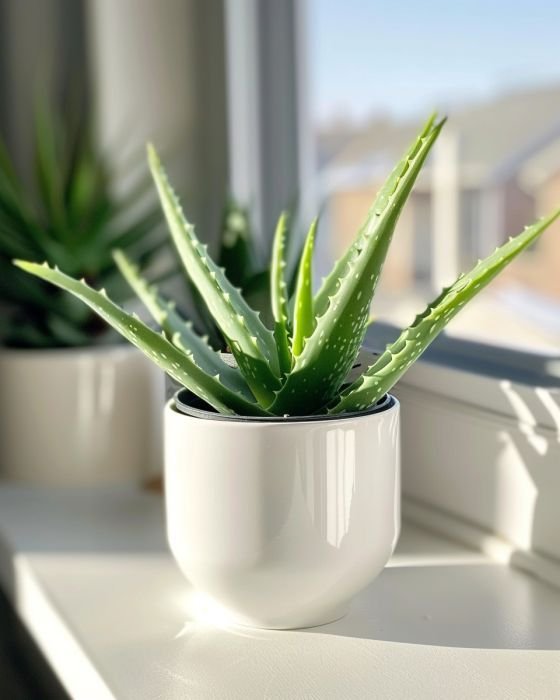
Benefits:
- Releases oxygen at night
- Removes pollutants from the air
- Easy to maintain
- Provides medicinal gel
Care Tips:
- Place near a sunny window
- Water sparingly
- Use well-draining soil
Aloe Vera is perfect for people who want both health and decorative benefits from a single plant.
4. Peace Lily
The Peace Lily is one of the most elegant indoor plants, featuring glossy leaves and beautiful white flowers. It is highly effective at filtering harmful toxins from indoor air.
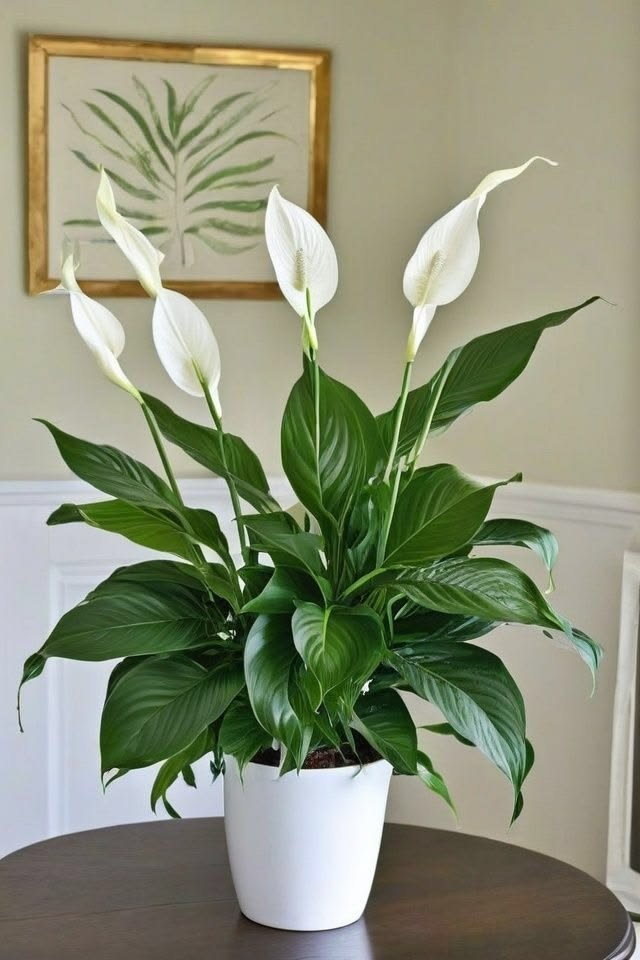
Benefits:
- Removes airborne toxins
- Increases humidity levels
- Improves oxygen circulation
- Enhances room aesthetics
Care Tips:
- Keep in low to medium light
- Water once the soil feels dry
- Avoid direct sunlight
Although beautiful, Peace Lilies should be kept away from pets and small children as they can be mildly toxic if ingested.
5. Spider Plant
Spider Plants are among the easiest indoor plants to grow. Their arching green leaves make them visually appealing while helping improve indoor oxygen levels.

Benefits:
- Removes carbon monoxide and toxins
- Produces fresh oxygen
- Safe for pets
- Grows quickly and easily
Care Tips:
- Place in indirect sunlight
- Water moderately
- Trim brown tips regularly
Spider Plants are ideal for hanging baskets and shelves.
6. Money Plant (Pothos)
The Money Plant is popular in many households because of its attractive trailing vines and easy maintenance. It is also known for purifying indoor air.
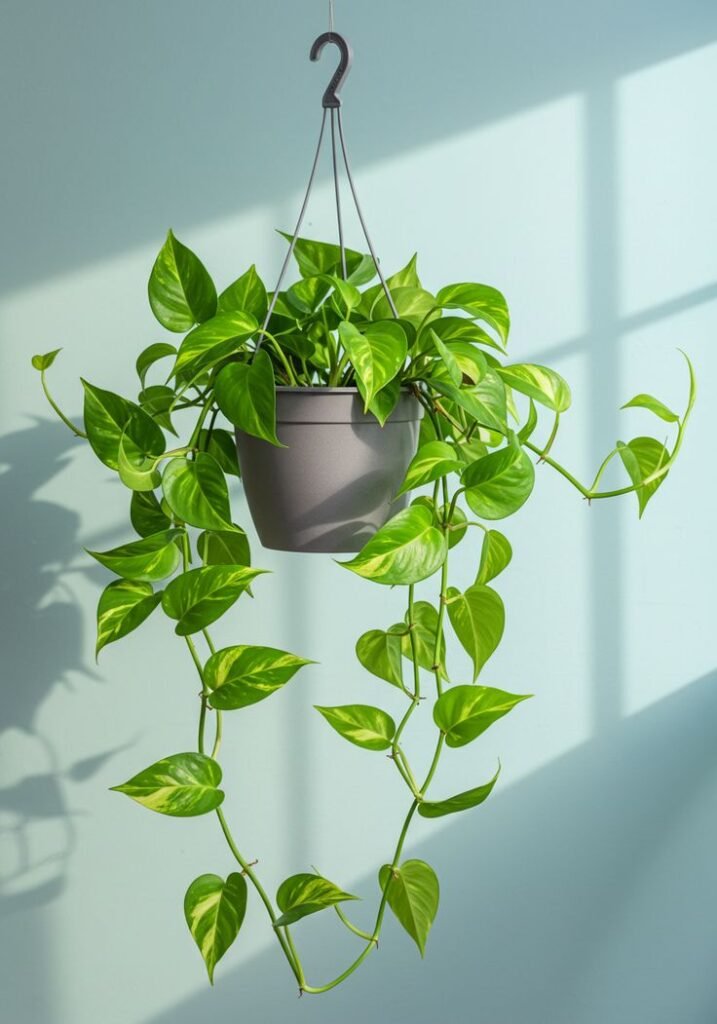
Benefits:
- Filters harmful chemicals
- Improves oxygen levels
- Thrives in low light
- Adds greenery to indoor spaces
Care Tips:
- Water when the soil feels dry
- Keep in indirect light
- Trim regularly to encourage growth
Many people also believe the Money Plant brings positivity and good luck.
7. Bamboo Palm
The Bamboo Palm is another excellent indoor plant for oxygen production. Its graceful appearance makes it a stylish addition to homes and offices.
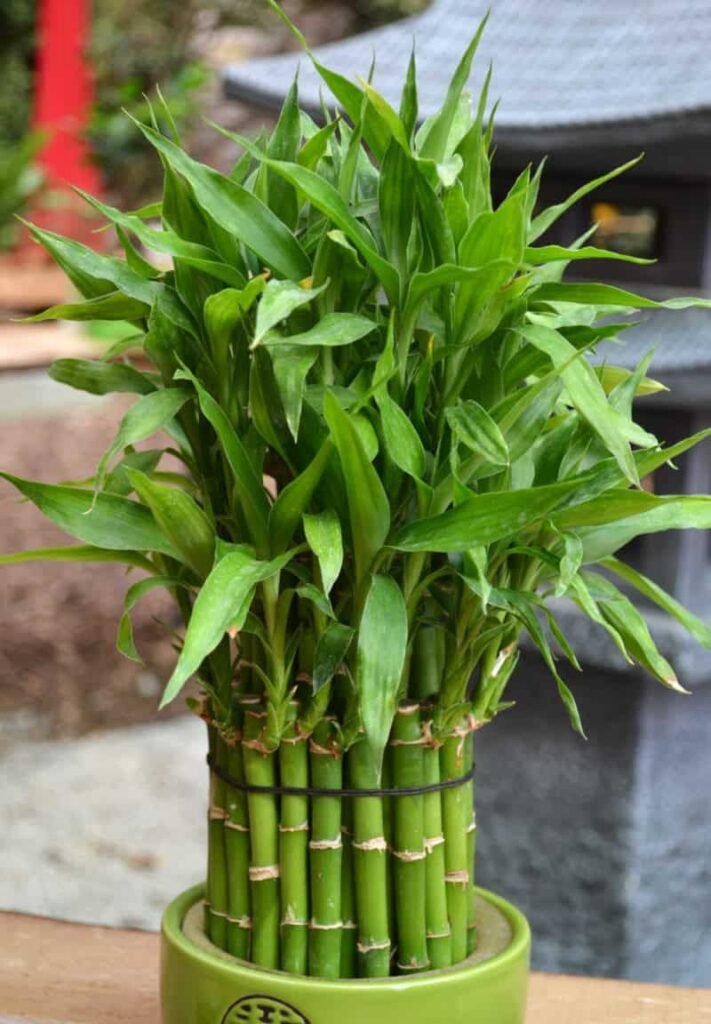
Benefits:
- Acts as a natural air purifier
- Removes toxins like formaldehyde
- Increases humidity indoors
- Creates a tropical ambiance
Care Tips:
- Place in filtered sunlight
- Keep the soil moist
- Avoid direct harsh sunlight
This plant is particularly useful in air-conditioned rooms where the air tends to become dry.
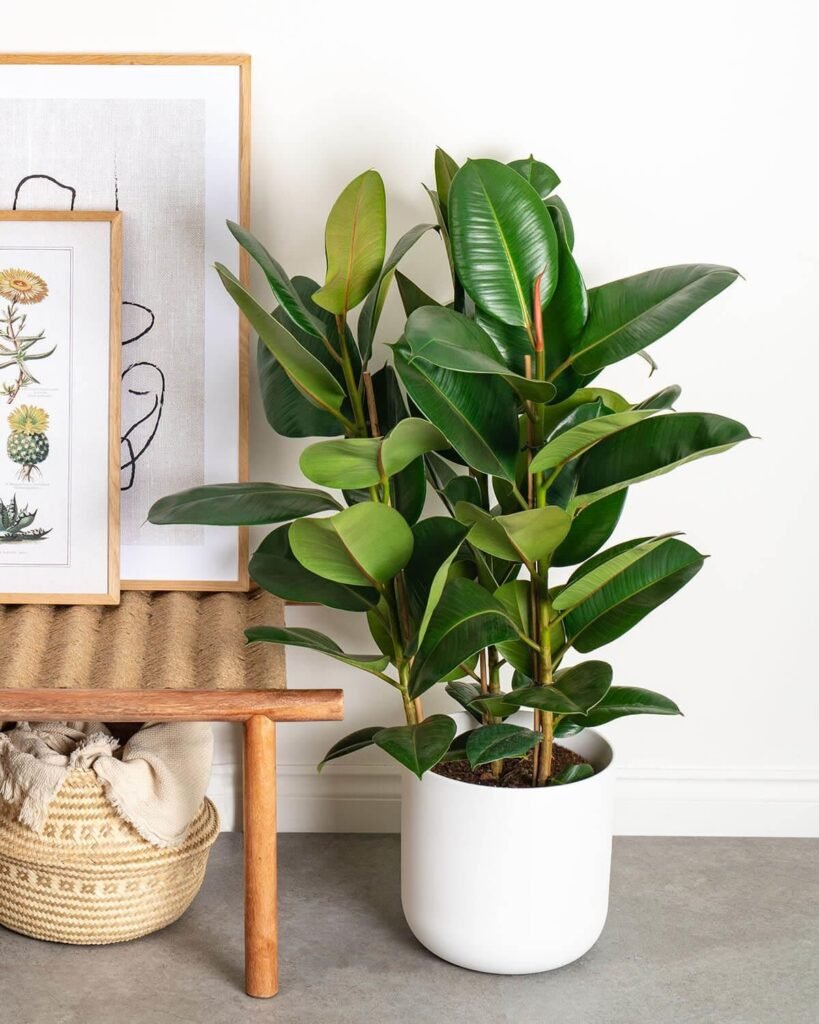
8. Rubber Plant
Rubber Plants are known for their large shiny leaves and ability to improve indoor air quality. They absorb airborne toxins and increase oxygen levels effectively.
Benefits:
- Easy to maintain
- Removes harmful pollutants
- Enhances indoor oxygen
- Attractive modern appearance
Care Tips:
- Keep in bright indirect light
- Water moderately
- Wipe leaves to remove dust
Rubber Plants can grow quite tall, making them ideal corner plants for larger spaces.
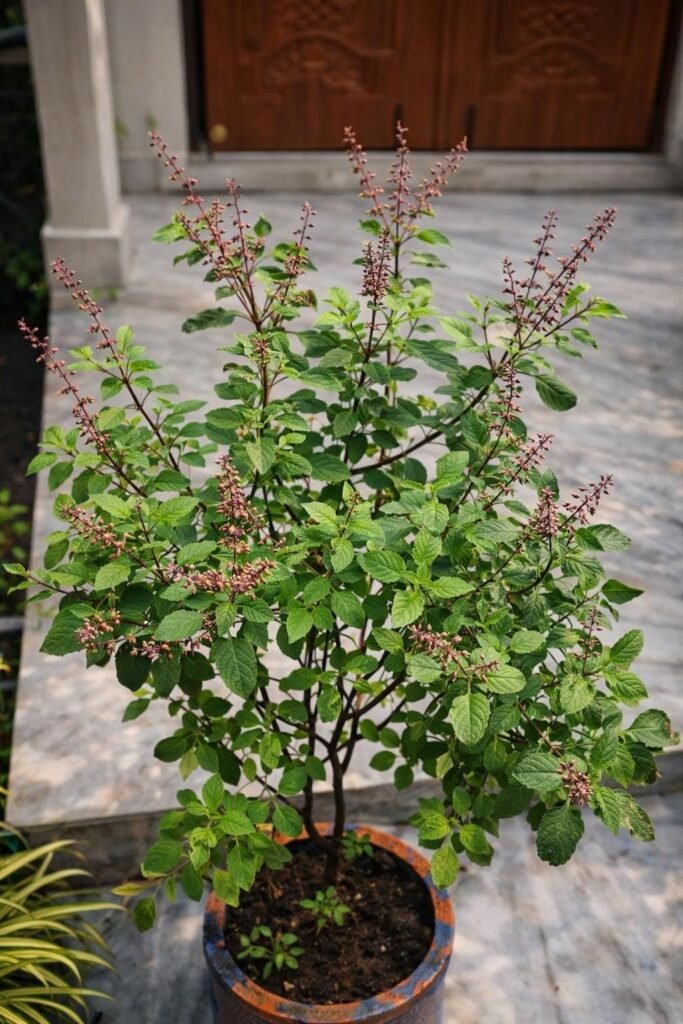
9. Tulsi (Holy Basil)
Tulsi is considered a sacred plant in many Indian homes, but it is also highly beneficial for health and oxygen production.
Benefits:
- Releases oxygen for long hours
- Purifies indoor air
- Has medicinal properties
- Produces a refreshing aroma
Care Tips:
- Needs direct sunlight
- Water regularly
- Keep in well-drained soil
Having a Tulsi plant indoors or near windows can create a peaceful and healthy environment.
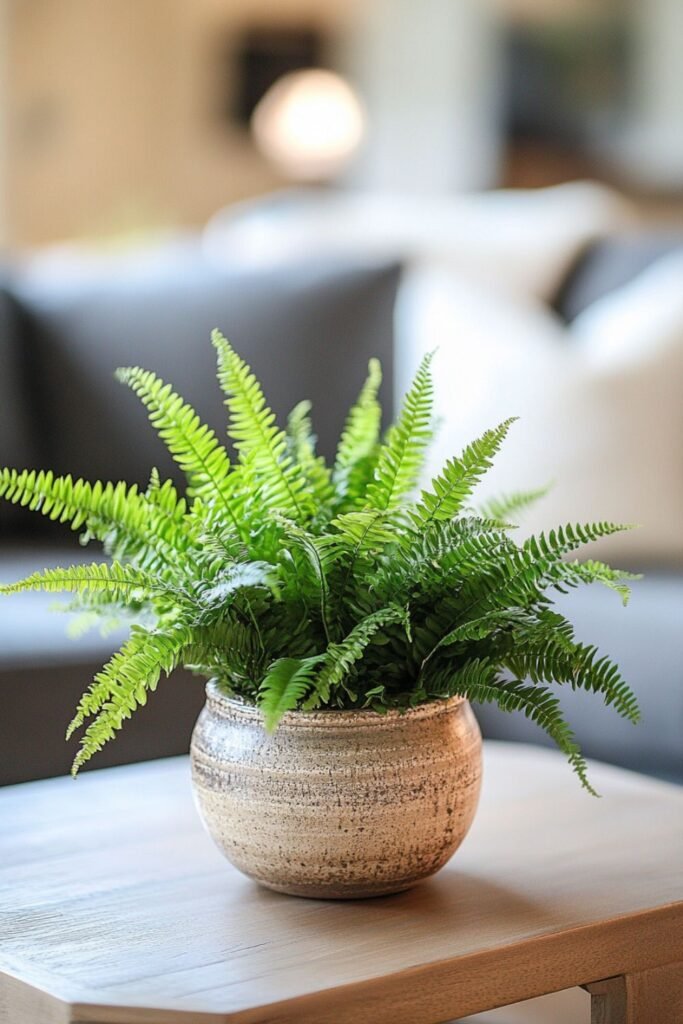
10. Boston Fern
Boston Ferns are excellent natural humidifiers and oxygen-producing plants. Their lush green fronds add freshness and elegance to interiors.
Benefits:
- Removes pollutants from air
- Adds moisture to dry rooms
- Produces fresh oxygen
- Enhances visual appeal
Care Tips:
- Keep soil consistently moist
- Place in indirect sunlight
- Mist regularly
Boston Ferns thrive best in humid conditions such as bathrooms or kitchens.
Why Indoor Plants Matter

Indoor plants are more than decorative elements. They contribute to physical and mental well-being by improving air quality, reducing stress, and creating a relaxing atmosphere. In crowded cities where pollution levels are high, keeping oxygen-producing plants indoors is a natural and affordable way to support healthier living.
Studies have shown that indoor greenery can improve concentration, productivity, and mood. Plants also help reduce noise levels and make indoor spaces feel more welcoming.
Final Thoughts
Choosing the right indoor plants can transform your living space into a healthier and more refreshing environment. Whether you prefer low-maintenance options like Snake Plants and Spider Plants or elegant choices like Peace Lilies and Areca Palms, there is an oxygen-producing plant for every home.
Start with one or two plants and gradually build your indoor garden. With proper care, these plants will not only beautify your surroundings but also help you breathe cleaner and fresher air every day.
Nature has always provided the best solutions for healthy living—and indoor plants are one of the simplest ways to bring nature closer to you.
Frequently Asked Questions (FAQs)
1. Which indoor plant gives the most oxygen?
The Areca Palm, Snake Plant, and Aloe Vera are among the best indoor plants for producing oxygen and improving air quality indoors.
2. Which indoor plant is best for the bedroom?
Snake Plant and Aloe Vera are excellent bedroom plants because they release oxygen even at night, helping create fresher air while you sleep.
3. Do indoor plants really purify the air?
Yes, many indoor plants help remove toxins such as formaldehyde, benzene, and carbon monoxide from the air while increasing oxygen levels.
4. How many indoor plants should I keep at home?
Experts often recommend at least one medium-sized plant per 100 square feet of indoor space for noticeable air-quality benefits.
5. Which indoor plants are easiest to maintain?
Spider Plant, Snake Plant, Money Plant, and Aloe Vera are some of the easiest indoor plants to care for, making them ideal for beginners.